Seasonal or year-round? What to check before choosing a glamping cabin
If you plan to host guests in winter, ask for the proposed heating equipment and the construction details for the walls, roof and floor. The glazing and utility connections need review too. A winter photograph shows a setting; it does not tell you which conditions that cabin is designed to handle.
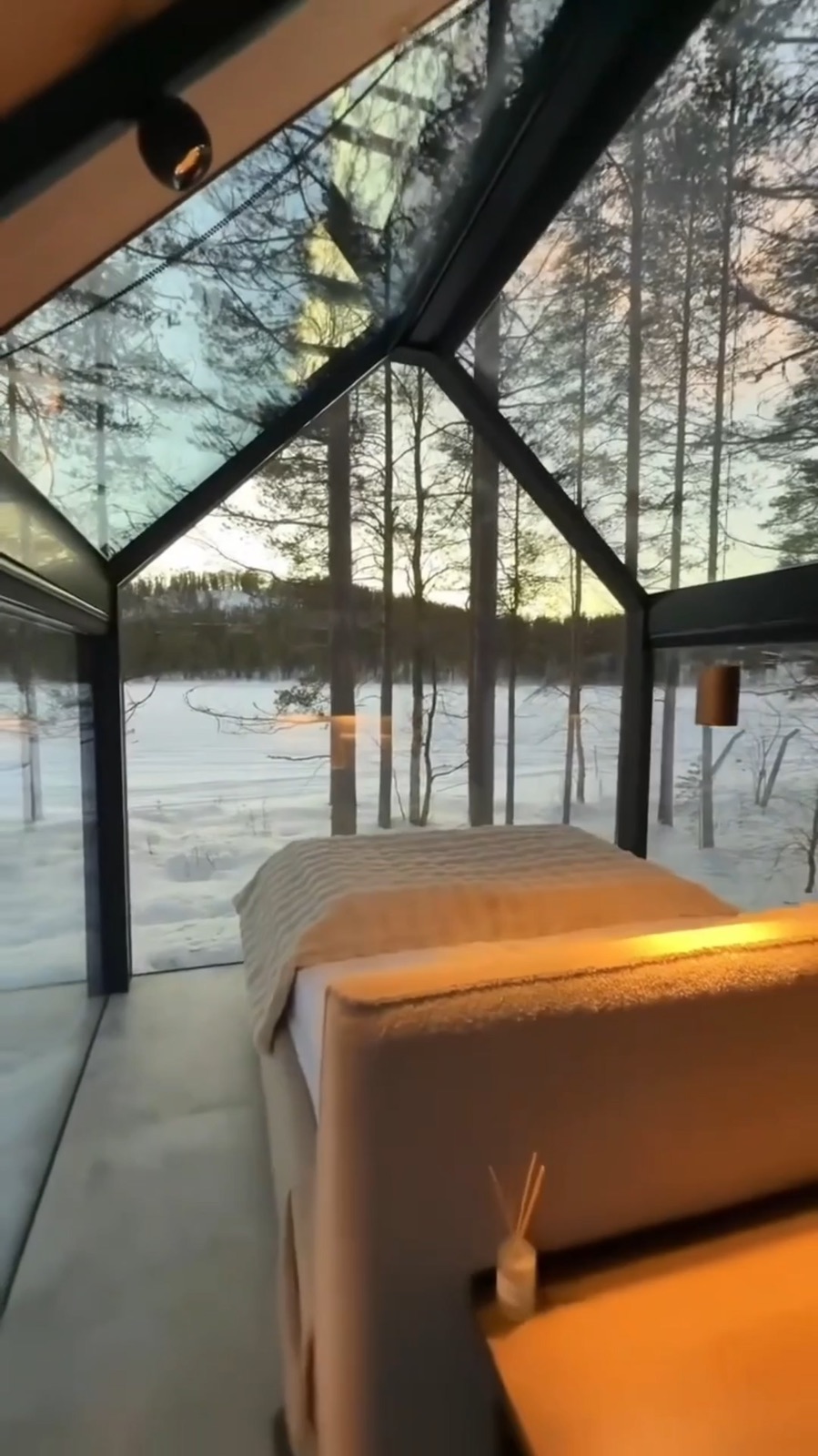
Start with the months you expect to host guests and the exact site. Then have the supplier and qualified local professionals identify what the proposed configuration supports, what needs modification and what remains unconfirmed. This is a purchasing checklist, not a climate rating or an engineering specification for any GTC model.
Define what “year-round” means for your project
Write down your intended booking season, including occasional stays outside it. A summer operation that closes in October has a different brief from a property accepting winter weekend reservations. Also explain what happens between bookings: will someone monitor the cabin, and who responds if equipment stops working?
Include those answers in your cabin site brief. Ask the local design team to establish the weather conditions it will use for the project. Avoid substituting a regional label such as “mountain cabin” for a location-specific review.
Climate suitability is one part of the decision. It does not establish permission to use the property for guest accommodation or determine the cabin’s regulatory classification.
Read the package name and the exclusions together
The ECHO supplier’s seasonal offer is expressly presented for spring, summer and fall. Its listed preparation for air conditioning or an air-to-air heat pump does not include the equipment itself. That is a useful distinction when reviewing an ECHO 20 proposal: prepared connections are not an installed heating system.
Those supplier details describe a source-market package. They do not establish a finished U.S. or Canadian specification. Ask which configuration your quote covers and request a separate list of local equipment, installation and verification work. Compare ECHO 20, ECHO 26 and ECHO 30 by their own proposed specifications; do not extend one model’s package description to the entire collection.
Ask for the complete insulated assembly
Request drawings or schedules covering the walls, roof and floor, along with the proposed treatment of joints and openings. A single insulation thickness leaves too much unspecified for a purchasing decision.
The U.S. Department of Energy explains R-value as a measure of resistance to heat flow and notes that insulation selection depends on climate and the heating and cooling system. Use that as a reason to request documented performance, not to choose a universal R-value from a cabin advertisement. DOE insulation guide.
Ask the project designer to review the assembly, air sealing and moisture-control details together. Have the supplier identify what is completed in the factory and what must be finished after delivery. Those responsibilities should appear in the scope you approve.
Glazing and window ratings
A glass-front cabin or glazed roof deserves more than a note saying “double glazing.” Request the proposed glazing product and its performance documentation. Ask how its placement, orientation and shading affect the project’s heating and cooling design.
ENERGY STAR’s residential window guidance uses climate-based U-factor and, where applicable, solar heat gain coefficient requirements. These are useful terms to raise with your designer when reviewing glass specifications. They are not evidence that a particular GTC cabin or window holds that certification. ENERGY STAR window guidance.
If the view through the roof is why you are considering Skyroof, keep that feature in the brief while asking for the destination-specific review. A reference interior image cannot substitute for the glazing schedule.
Specify the equipment, not just “heat-pump ready”
Ask a qualified HVAC professional to determine the heating and cooling loads for the proposed cabin at your site. ENERGY STAR recommends contractor-led sizing calculations and discussion of equipment suitability for cold conditions, including whether backup heat is needed. ENERGY STAR heat-pump buying guidance.
Request the selected equipment model, its relevant performance data and the installation scope. Include ventilation, controls, commissioning and maintenance responsibilities in the discussion. A connection point shown in a 3D demonstration does not confirm equipment selection or installed performance.
Review what happens when the cabin is empty
Have the local plumbing and site teams define how water supply, drainage and other exposed connections will be handled during the operating season and any shutdown. Ask who writes the operating instructions, who carries them out and what conditions require a service call. Do not assume heating the guest room settles every utility question.
Keep winterization and restart procedures specific to the installed systems and their manufacturer instructions. This article does not provide a do-it-yourself shutdown procedure.
Keep a climate-review checklist with the quote
| Climate review | Evidence to request |
|---|---|
| Operating calendar | Guest months, vacancy periods and the named site. |
| Insulated shell | Wall, roof and floor details; factory and site responsibilities. |
| Glass | Product identification and performance documentation for the proposed glazing. |
| Heating and cooling | Local load review, selected equipment and commissioning scope. |
| Utilities and shutdown | System-specific protection, operating and restart instructions. |
Track unresolved items alongside the project budget. If equipment or installation is still being selected, mark the cost as unquoted until you receive a price.
Questions about seasonal and year-round cabins
Can a seasonal cabin become a year-round cabin?
That requires a review of the actual configuration and destination. Ask what changes would be necessary and obtain a documented scope before committing. We cannot confirm that conversion from the model name alone.
Does a snowy model photograph prove winter suitability?
No. It shows a setting, not the installed specifications, test results or operating conditions. Request evidence for the configuration being quoted.
Should I choose a model before completing the climate review?
You can shortlist layouts first. Keep the choice provisional until the supplier and local professionals have reviewed the intended use and identified the required work.
Discuss your location and operating season
Use the GTC project quote form to tell us your model preference, destination and cabin count. In the notes, add the months you plan to host guests and the climate questions still open. That gives the follow-up discussion a clear starting point without assuming that every configuration is ready for every season.