Choosing a cabin mix for a small glamping property
Add a second cabin layout when you can name the guest need it serves and explain how you will operate it. A different exterior may photograph well, but a separate bedroom or a different sleeping arrangement changes what someone can book. For a small property, begin with one layout that fits your intended stay, then test whether another earns a place beside it.
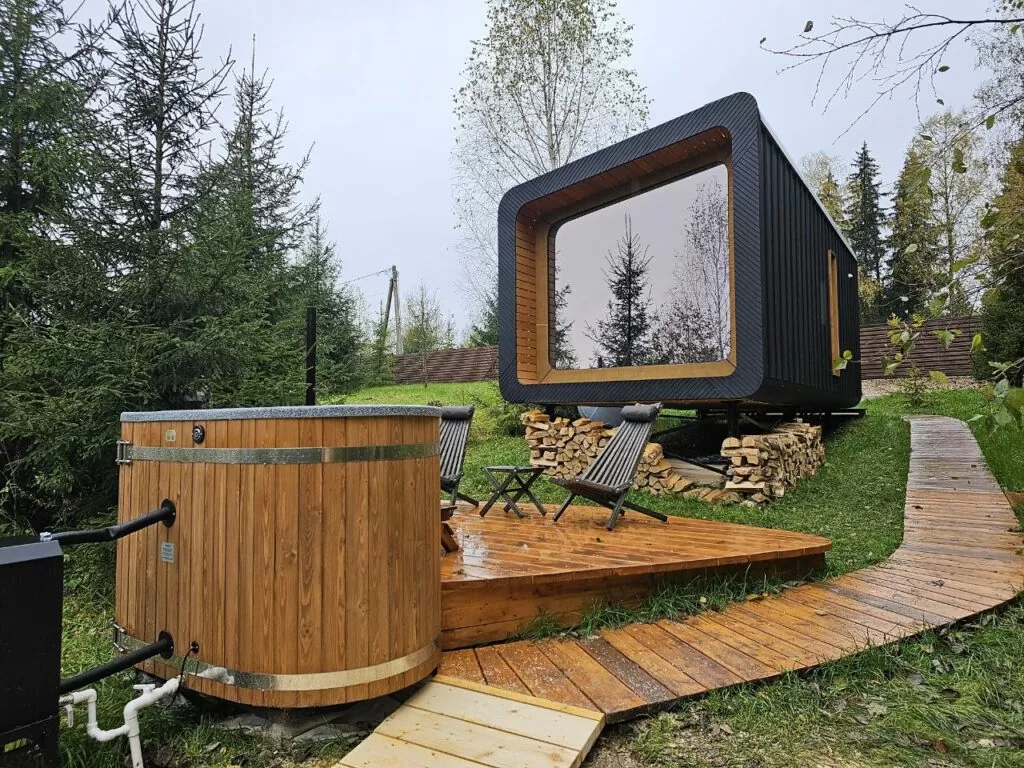
There is no universal ratio of cabin types that guarantees bookings. The useful comparison is between two plans for your own property: repeating a selected configuration, or adding a clearly different room option. Keep the proposed number of cabins and the delivery location the same while you compare them.
Repeating a model starts with repeating its specification
Several cabins with the same model name can still contain different equipment or furniture. If the reason for choosing one model is to keep daily work consistent, put that requirement in the quote. Identify the selected floor plan and agree which items should match across the order.
Think about a replacement mattress or a damaged blind. Would the same spare fit every cabin? Can the cleaner use the same room-reset instructions? Confirm those details against the actual equipment and furnishings rather than assuming that matching exteriors mean identical interiors. Any benefit from shared parts depends on what is supplied and what remains available later.
You can also give repeated layouts different settings. Orientation and planting may distinguish one stay from another without introducing a new cabin type. Review those choices on the site plan: a better view should not come at the expense of a neighboring guest's privacy. Our glass-front cabin privacy guide explains that review in more detail.
Make the second option easy for a guest to understand
Write a short booking description for each proposed room before choosing a mixed collection. If the descriptions differ only in model names, the reason for offering both is still unclear. Useful distinctions might include bedroom separation or a sleeping arrangement that suits a different party. Those features need confirmation on the furnished plan for the selected configuration.
The ECHO collection is one place to start a layout comparison within a model family. If you are considering a different design such as BRO6, compare its furnished plan with your first choice. A reference capacity does not show how the room works with every sleeping place in use. The ECHO, BRO6 and Pitched comparison covers the individual model differences; this decision is about which combination belongs on your property.
For every booking category, plan to show photographs and a floor plan of the room guests will actually receive. Keep any materially different bed or bathroom arrangement explicit. Avoid showing the most spacious configuration as though it represents every cabin.
Try the mix against one turnover day
Consider a hypothetical four-cabin property comparing four matching studios with three studios and one separate-bedroom layout. This is a planning exercise, not a recommended unit ratio or a GTC customer project.
Walk through the second option as if all four cabins need cleaning between stays. Check where spare linen is stored and whether the additional layout needs different bedding. Work out how staff will identify the correct room setup. Then consider a maintenance problem: if one cabin cannot be used, would a guest be receiving the same booked arrangement in another unit, or would the substitute need to be discussed with them?
These questions expose the work added by the different layout. They do not mean a mixed property is a poor choice. They help you decide which differences are worth managing and which are simply extra variations in an order.
Whitney Scott's buyer guidance published by the American Glamping Association recommends visiting an operating unit and paying attention to maintenance access and wear as well as the guest experience. Apply that approach to each layout you are seriously considering. Ask to see the proposed configuration, and record any differences between the unit you visit and the one in your quote.
Put both alternatives into the same quote request
Send GTC the two combinations you want to evaluate, with the number of each model and its intended use. Ask for the same completion point in both proposals. Otherwise, differences in finishing or installation responsibilities can obscure the cost of changing the cabin mix. The delivered-project budget guide explains how to separate those items.
Do not assume that repeating a model earns a volume discount, or that adding a larger layout raises the property's revenue. Ask for the actual commercial terms and base demand assumptions on evidence from your own market. Model suitability and the proposed delivery package must be confirmed for the project location, including for Canadian inquiries.
In the GTC project form, choose your leading model or Help me choose and give the total unit count. Use the message field to describe the alternative mix and the guest need behind it, such as bedroom separation. That gives the team a concrete comparison to price and discuss.